Culture and Business
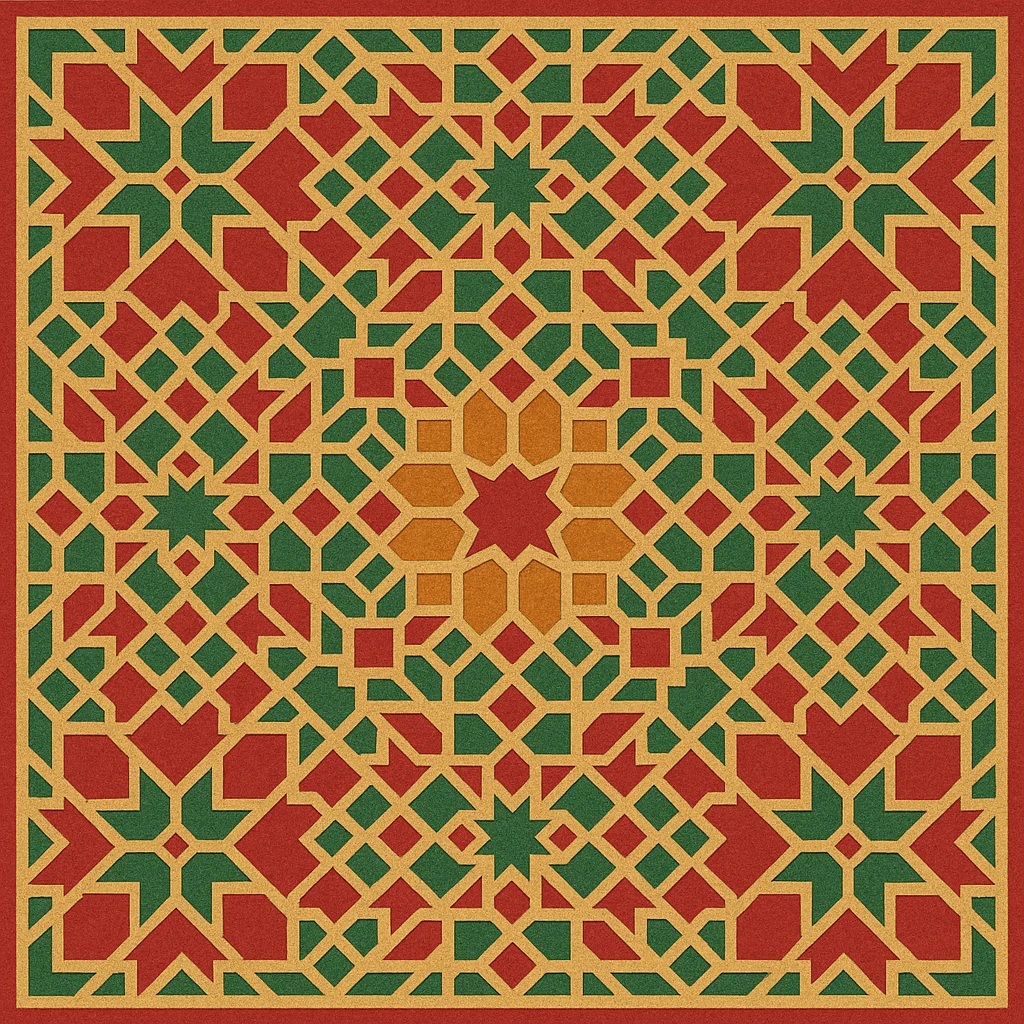
Morocco’s cultural heritage is both a source of pride and a driver of economic activity. Centuries‑old traditions of craftsmanship have produced world‑renowned carpets, pottery, leather goods and metalwork. Artisans in Fez, Marrakech and Meknes create mosaics, embroidery and wood carvings that blend geometric patterns with vibrant colors. These crafts support thousands of jobs and generate export revenue.
The fashion industry draws inspiration from traditional garments like the djellaba and caftan, reinterpreting them for modern tastes. Designers combine rich fabrics, intricate embroidery and contemporary silhouettes to create collections that resonate locally and internationally. Moroccan fashion weeks and concept stores showcase emerging talent and attract buyers.
Cuisine is another cultural asset with economic potential. Moroccan dishes such as tagine, couscous and pastilla have gained worldwide recognition. Restaurants, cooking classes and food product exports introduce these flavors to a global audience. The hospitality sector capitalizes on the popularity of Moroccan gastronomy to offer culinary tours and themed events.
Festivals and events celebrate music, art and film while generating tourism. The Gnaoua Festival in Essaouira, the Mawazine festival in Rabat, the International Film Festival in Marrakech and the Fes Festival of World Sacred Music draw international crowds. These events create opportunities for sponsors, vendors, artists and event organizers.
Entrepreneurs can build businesses that respect and revitalize cultural heritage. By collaborating with artisans, designing sustainable supply chains and innovating in marketing, they can tap into growing demand for authentic, ethically made products. Morocco’s culture thus becomes a unique selling point and competitive advantage in global markets.